October 6 , 2026
In the late 90s, professor and author Jay Calderin created Boston Fashion Week to give local design talent a platform to showcase their work.
Since then, the event has evolved from a traditional runway focused showcase into a community driven celebration of fashion, art, and creativity. Rather than limiting shows to conventional fashion venues, Calderin has brought Boston Fashion Week into public spaces such as City Hall and the Boston Public Library.
In recent years, Calderin has also looked to technology for new ways to transform the fashion experience. This has led to his exploration of augmented reality (AR) and a collaboration with Hoverlay, opening up new possibilities for how designers can present their work and how audiences can experience fashion.
The Intersection of Fashion and Technology
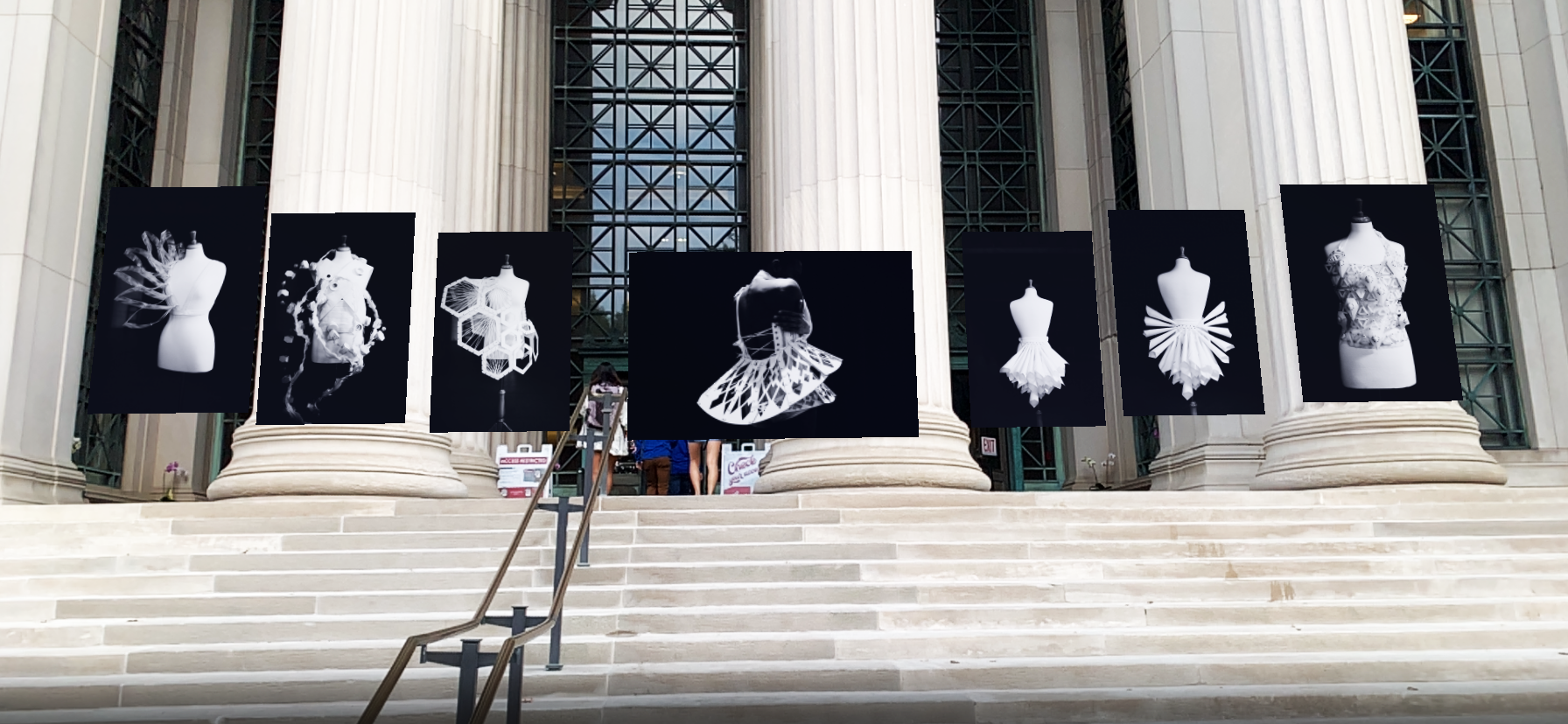
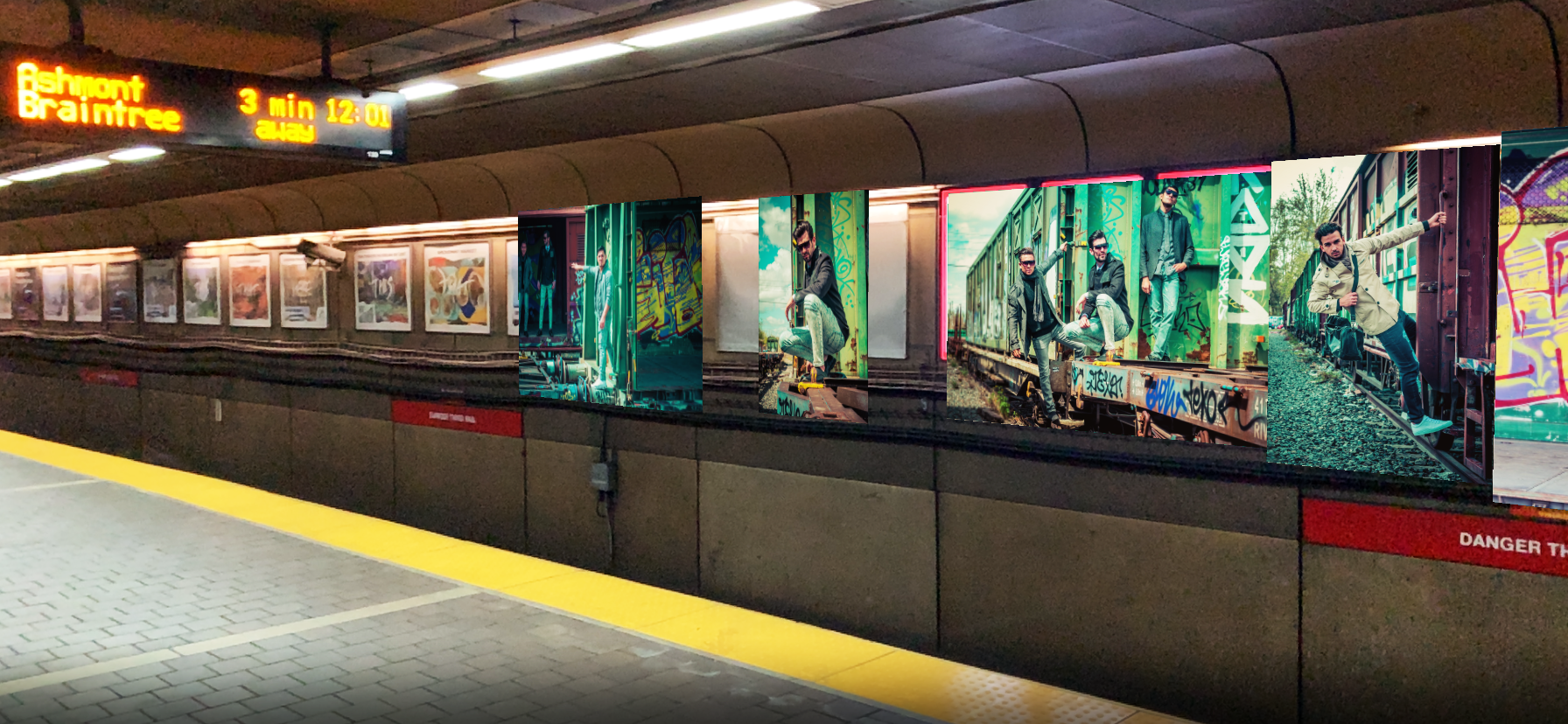
Through Hoverlay’s AR technology, Calderin explored how adding digital layers to fashion shows could enhance the way audiences experience designers and their work.
Hoverlay allows designers to display their creativity without being limited by traditional ideas of where and how art and fashion can be presented.
In a recent interview, Calderin discussed the ways Hoverlay has contributed to the branding and storytelling of Boston Fashion Week.
“Designers often make mood boards before making their collection,” Calderin explains. “In my experience using Hoverlay, you can bring those color schemes, aesthetics, or ideas to any place of your choosing.”
Calderin also sees virtually endless possibilities in augmented reality. For example, he says a designer could take something as ordinary as a handbag and transform it into an immersive public art experience.
“The app provides that creative freedom because the technology is not restrictive,” he says. “I could play with the size and easily make those bags six feet tall, even though in real life it would be really expensive to do so. When people look through their phones on Hoverlay, they are able to see different designs in both different places and a different way.”
AR also loosens the traditional boundaries of when, where, and how fashion shows can take place.
“The beauty of this technology is that you can have the show at a specific location but also watch it simultaneously at another, or just after it happened entirely,” Calderin says.
Perhaps one of the most distinctive aspects of Hoverlay is the longevity it gives these creations. Unlike a traditional runway show, which exists at a specific time and place, AR designs can remain accessible long after an event has ended. Even months after a show, users can return to the experience and engage with the work again.
For designers, that creates an opportunity for their work to live beyond the runway.
Looking Forward
As technology continues to evolve alongside art, culture, and everyday life, Calderin is already imagining what augmented reality could bring to the future of Boston Fashion Week.
“There has been a big surge in public art, and with that I have thought about creating an AR sculpture garden but with fashion,” says Calderin. “You can go to different areas and use the AR technology to not just look, but experience these different pieces by different designers.”Calderin also hopes these experiences can give designers and artists an opportunity to explain the ideas and meaning behind their work.
“With the rise of this new digital age, a lot of people tend to push away the technology, but I believe that there are ways to appreciate our surroundings and the opportunity AR provides simultaneously.”
For Calderin, the integration of augmented reality is not about replacing the physical experience of fashion. Instead, it is about expanding what is possible, creating new ways for designers to tell stories, for audiences to interact with art, and for fashion to exist beyond the traditional runway.
As Boston Fashion Week continues to evolve, Calderin is excited to see where the intersection of fashion, art, and technology will lead next.
To learn more about Boston Fashion Week click here.